How to Specify a Custom Aluminum Plate-Fin Heat Exchanger
2026-10-10
How to Specify a Custom Aluminum Plate-Fin Heat Exchanger
Start with the operating duty, not only the outside dimensions
A cooler can fit the available space and still miss the required performance if the heat duty and flow conditions are incomplete. State the hot and cold fluids, mass or volume flow, inlet temperatures and required outlet temperatures. If the target outlet is not fixed, provide the heat load that must be rejected. For variable-duty equipment, describe normal, peak and start-up conditions. The design point should reflect the worst credible combination of load and ambient temperature, not a convenient laboratory value.
Define pressure and pressure-drop limits
Working pressure, test pressure and allowable pressure drop are separate values. A low pressure drop can require a larger passage or core, while a very compact core may increase pumping or compressor power. Identify transient pressure, pulsation and relief-valve settings where relevant. If the cooler replaces an existing unit, provide the measured operating pressure and known failure mode rather than copying an unclear nameplate value.
Describe the air side
For air-cooled equipment, ambient temperature and airflow are decisive. Provide fan diameter, speed, voltage, motor rating and fan curve if available. If ram air is used, state vehicle speed and grille restrictions. Also describe altitude, dust, oil mist, salt, debris and cleaning access. These conditions influence fin spacing, guard design, coating and the maintenance interval.
Control interfaces and packaging
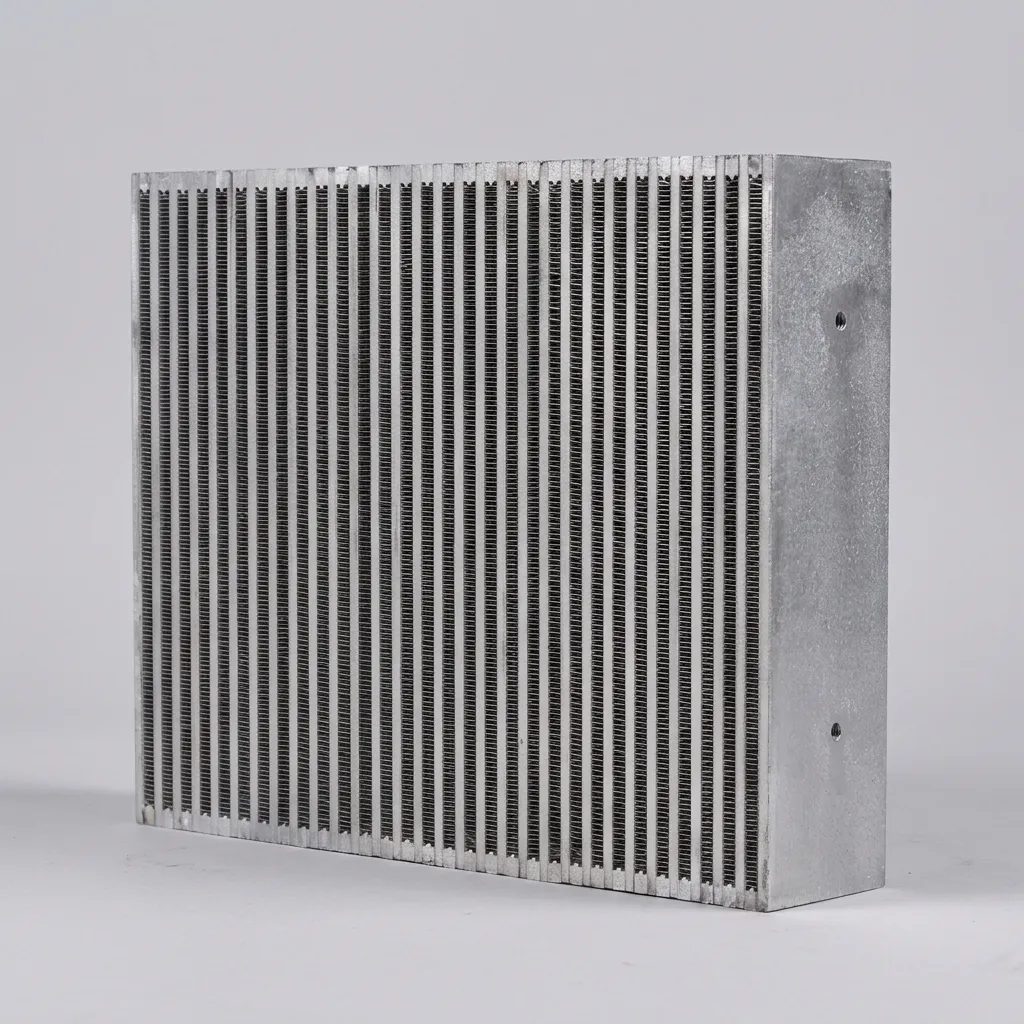
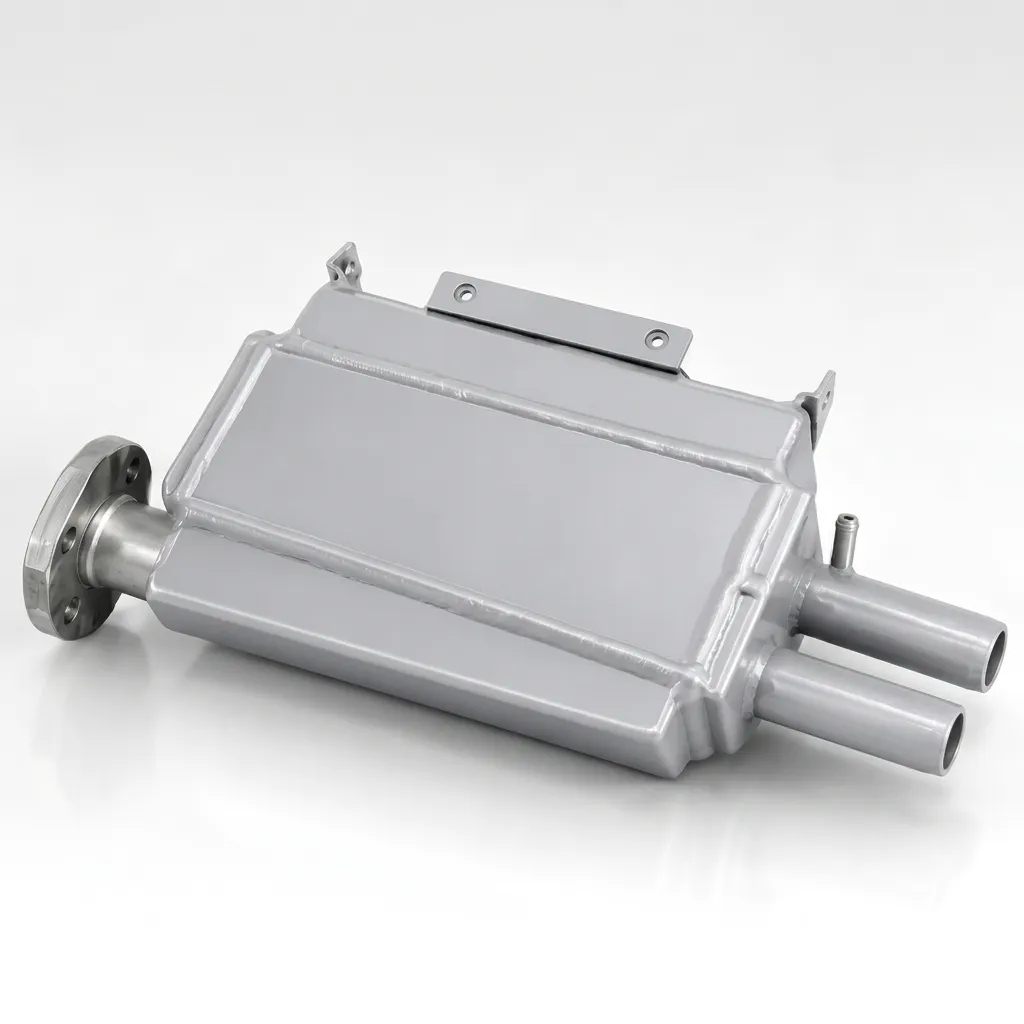
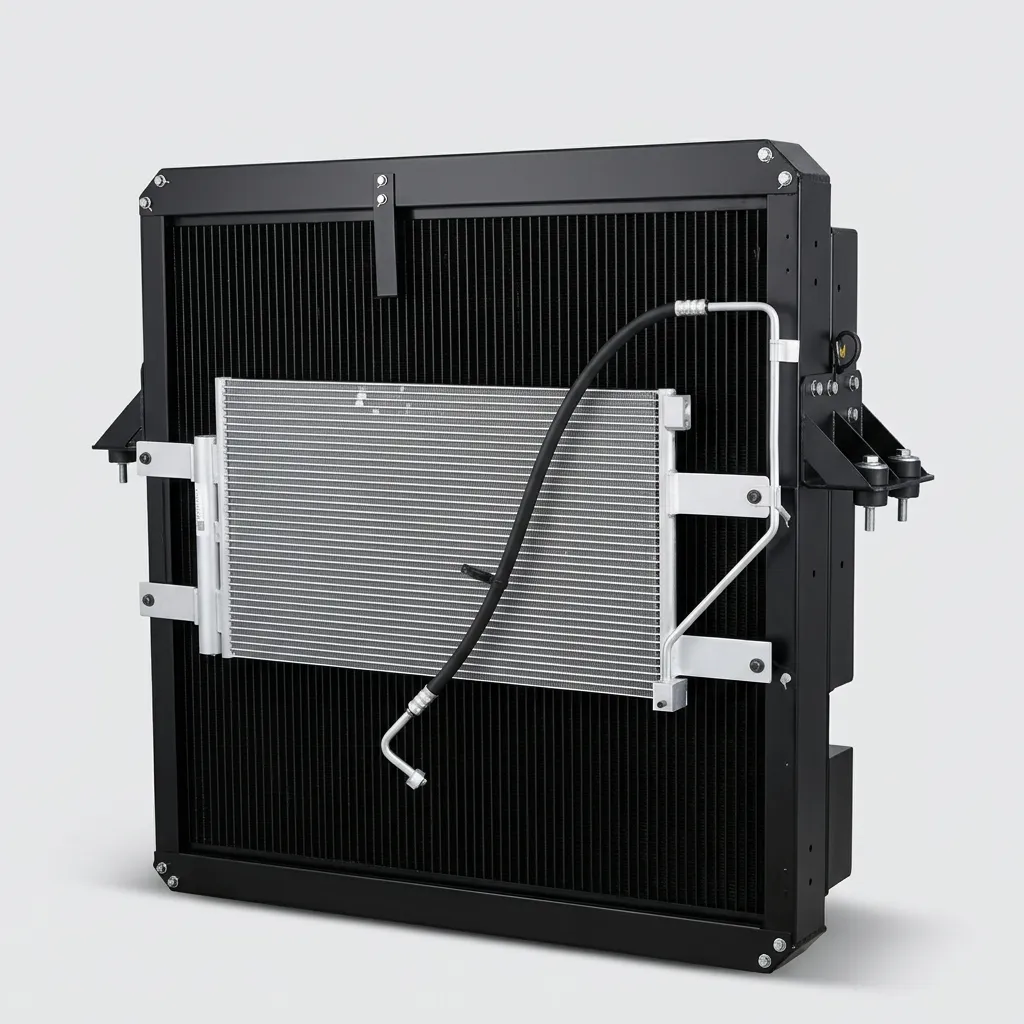
A dimensioned drawing should show the maximum envelope, ports, thread standards, mounting holes, clearances and preferred orientation. Mark any no-go zones for welds, fan motors or service access. For a complete assembly, specify brackets, fan, shroud, valves, guards, electrical connectors and labels. For a bare core, define the customer's tank and header interface and post-delivery welding plan.
Agree on testing and documentation
The quotation and approved drawing should identify materials, test method, test pressure, leak criterion, inspection records, marking, cleanliness and packing. If performance testing, corrosion testing or third-party inspection is required, state it before the order. A clear acceptance plan prevents disagreement after the cooler has been manufactured.
Prepare a useful RFQ package
The most efficient request contains a drawing or sample, an operating-data sheet, annual demand, prototype quantity, target schedule and destination. E&C can then review whether a standard model, modified standard model or fully custom design is appropriate. Missing data can be resolved during technical clarification, but the customer remains responsible for validating the final cooler in the complete machine or system.
Tell me what you need