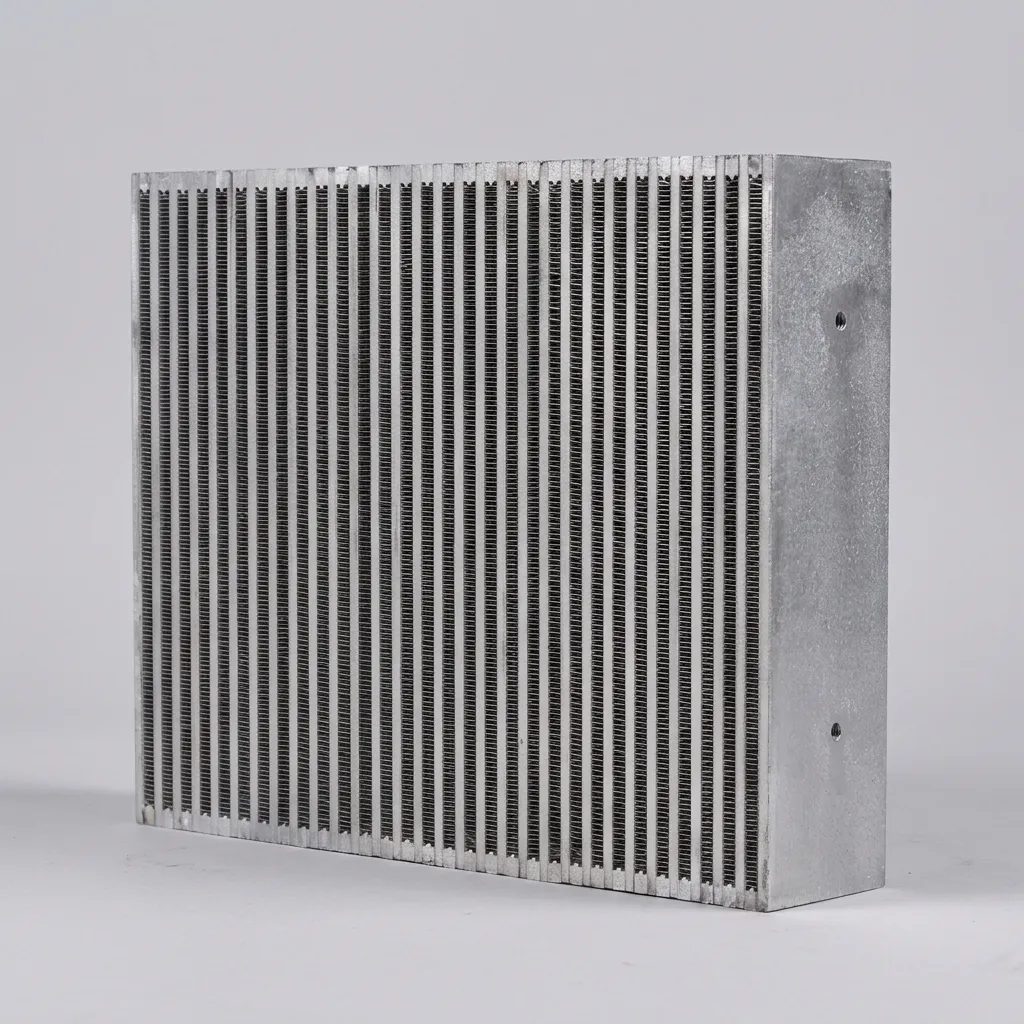
Fuel Cell Cooling System — Integrated Hydrogen & PEM Electrolyzer Thermal Management
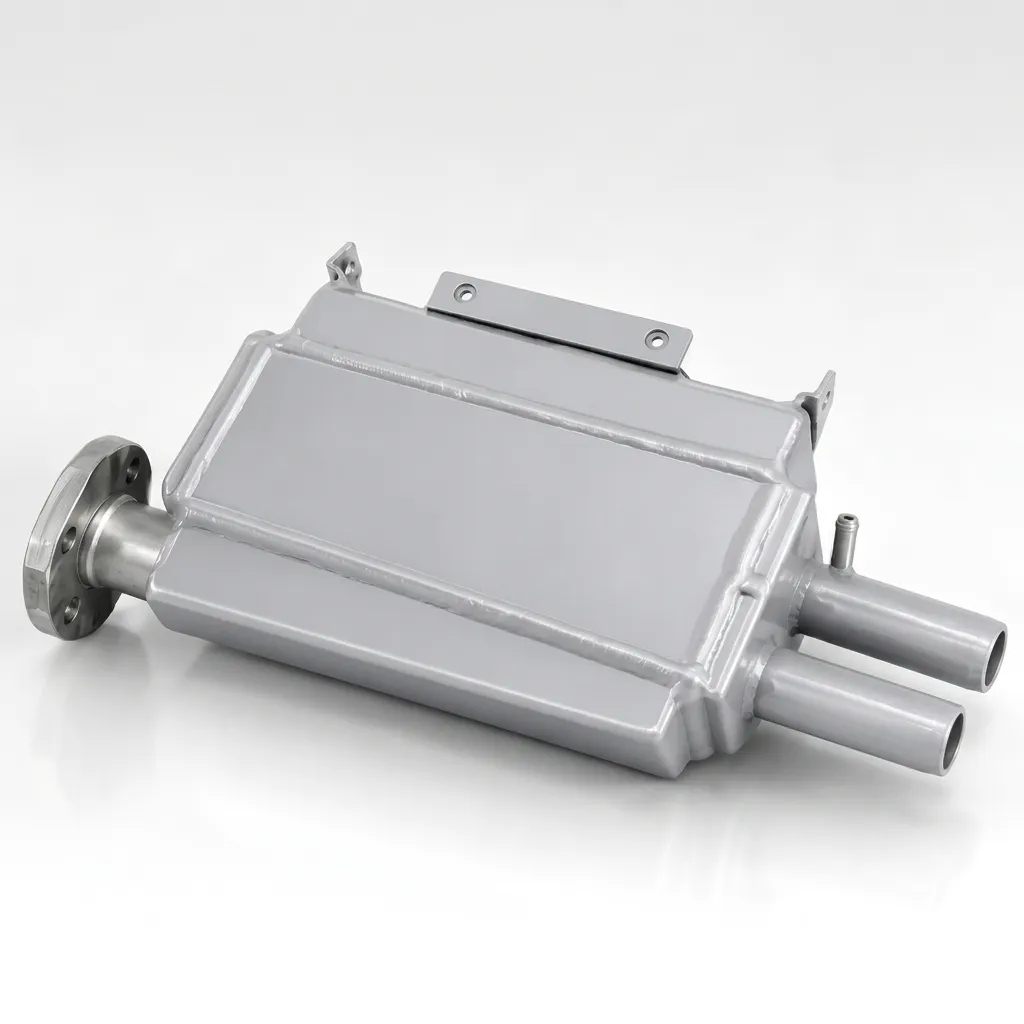
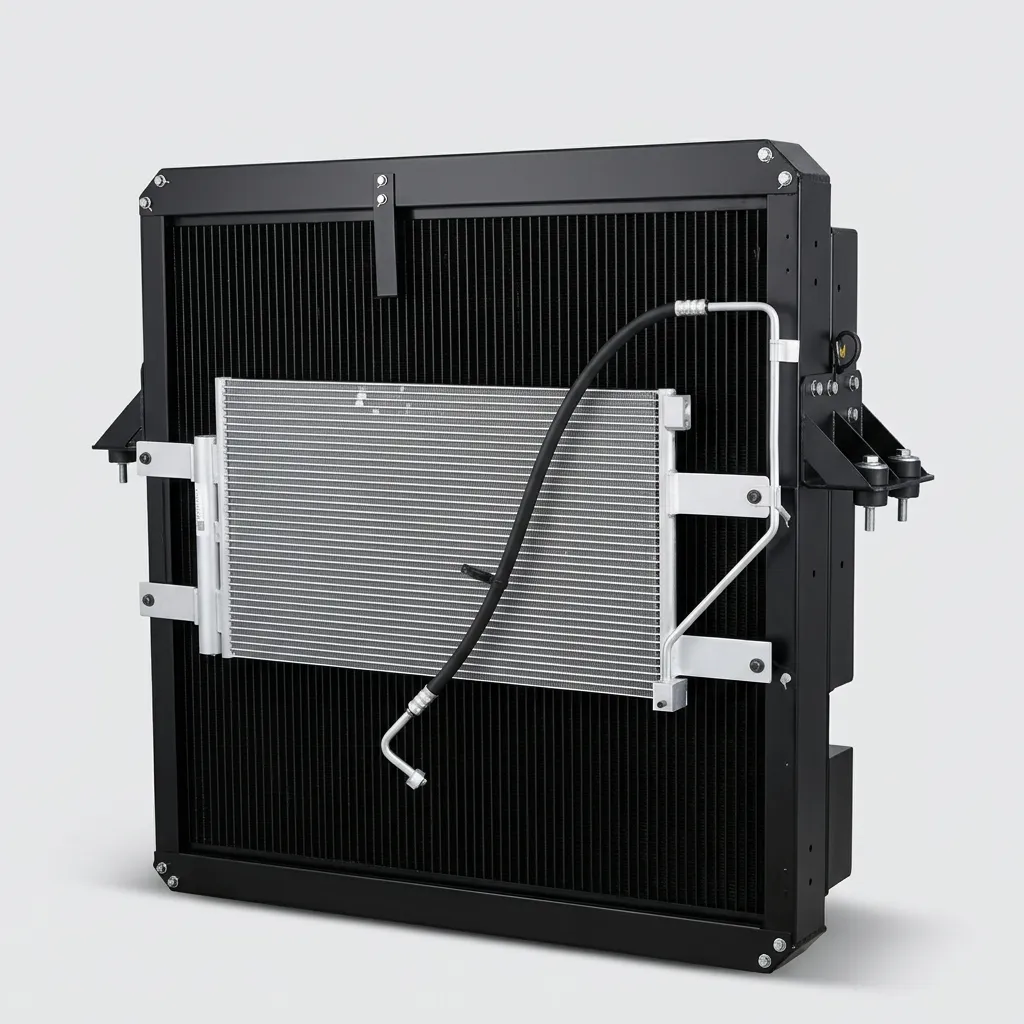
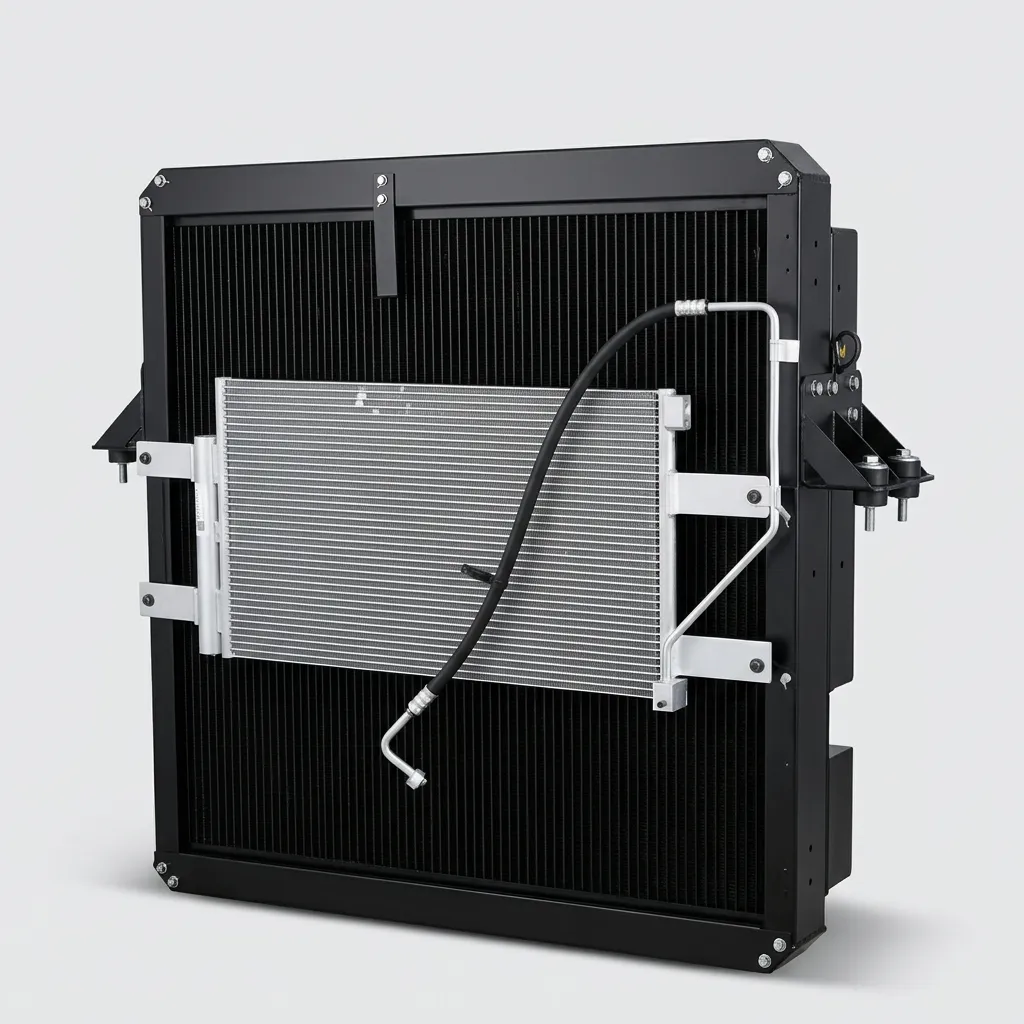
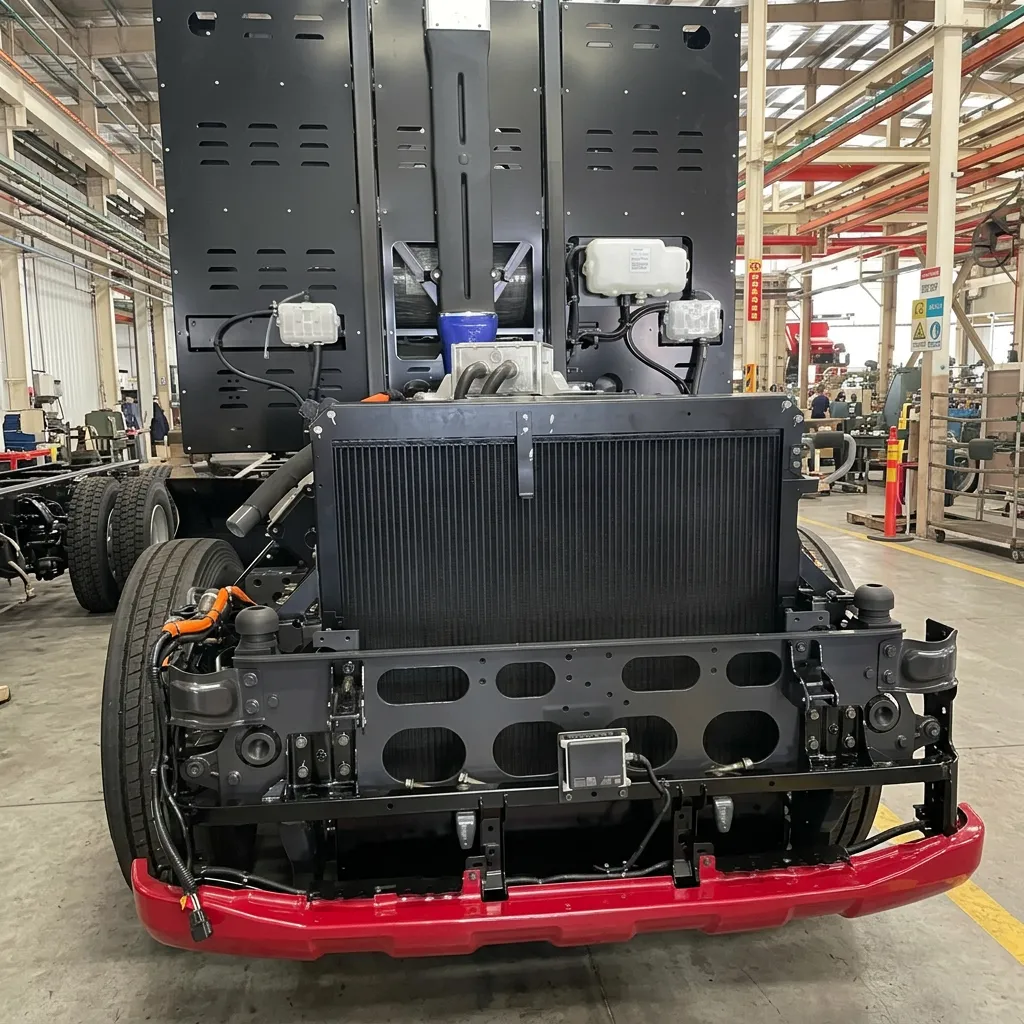
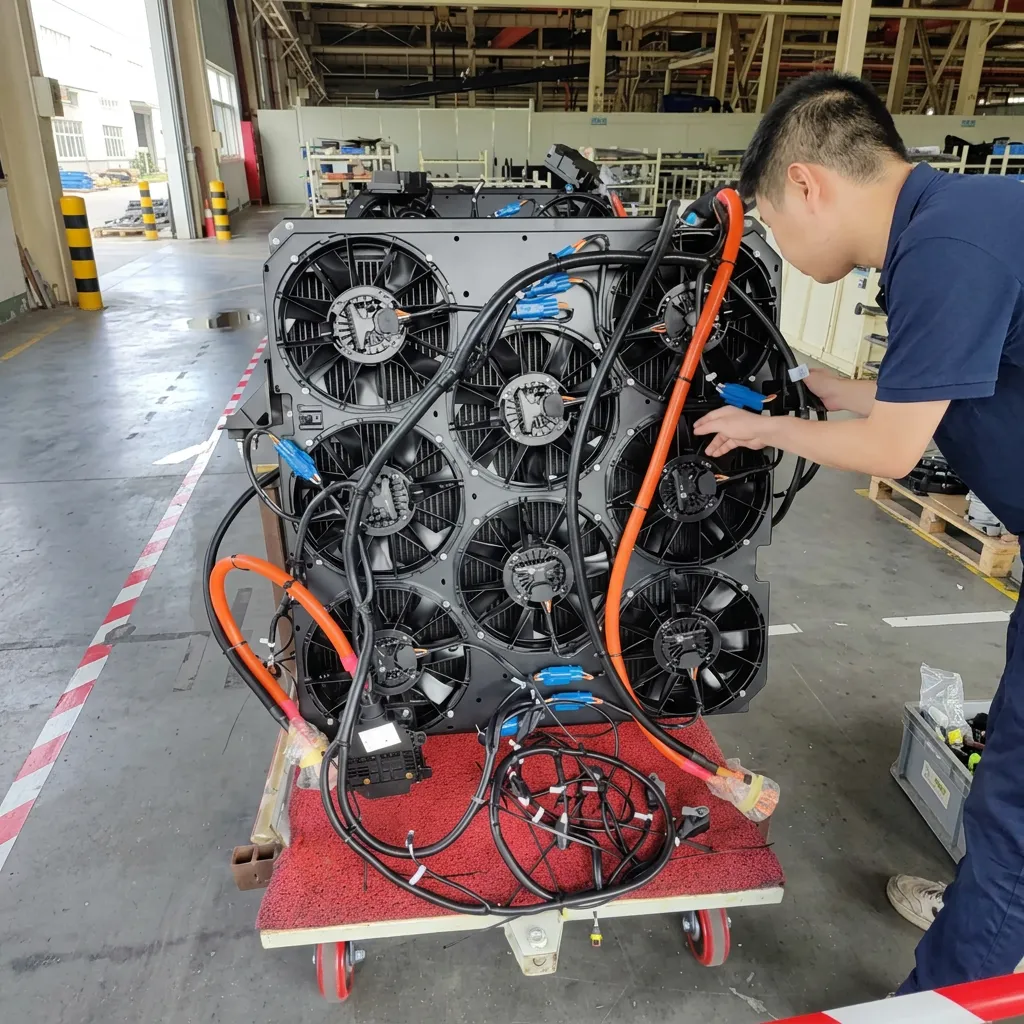
Fuel Cell Cooling System — Integrated Hydrogen & PEM Electrolyzer Thermal Management
• Integrated cooling system for hydrogen and fuel-cell equipment.
• Can include radiators, fans, pumps, tanks, sensors, controls, piping, frame and enclosure.
• Applications: fuel-cell vehicles, stationary generation, backup power, hydrogen production and PEM electrolyzers.
• Project-specific thermal, electrical and mechanical configuration.
• Send heat load, coolant, flow, temperatures and envelope for system design.
Product Detail
Wuxi E&C fuel-cell cooling systems combine radiators or cooling modules with fans, pumps, tanks, sensors, controls, piping, wiring, frames and enclosures according to the project requirement. Rather than a single catalog product, each system is developed around the stack or equipment heat load, coolant type, flow, temperatures, electrical architecture, communication, installation space and environmental conditions.
A well-designed fuel cell cooling system keeps the stack and balance-of-plant within their safe temperature bands, which is essential for efficiency, durability and safety. Because fuel-cell and hydrogen equipment often use a low-conductivity coolant, the loop — pumps, sensors and materials — is selected to maintain deionization performance over time.
Applications include fuel-cell vehicles, stationary fuel-cell power stations, distributed generation, backup-power systems, hydrogen-production equipment and PEM electrolyzers. The same integrated approach serves both mobile and stationary hydrogen duty.
To scope a fuel cell cooling system, share the total heat load, coolant type and flow, inlet/outlet temperatures, available power and communication, installation envelope and ambient range. Wuxi E&C will propose the radiators, fans, pumps and controls and supply a system layout for approval.
Wuxi E&C integrates these systems in its own plant under ISO 9001, ISO 14001 and ISO 45001 systems, pressure- and leak-testing each loop before shipment. We manage thermal design, component sourcing, prototyping and serial production, and have supported fuel-cell vehicle, stationary, backup and hydrogen-production projects since 2011, exporting the majority of output. System lead time is typically 6–8 weeks including design and component sourcing. Provide your total heat load, coolant, flow, temperatures, power, envelope and ambient range, and we will propose the system and return a layout and a quote. We also provide complete documentation, sea-freight packaging and responsive after-sales support so overseas distributors and OEMs can stock and integrate our products with confidence. Drawings, performance curves and certificates are available on request for tenders and supplier qualification.
Q: What is a fuel cell cooling system?
A: It is an integrated thermal-management package — radiators or cooling modules with fans, pumps, tanks, sensors, controls, piping, wiring, frames and enclosures — engineered around the stack or equipment heat load, coolant type and operating conditions.
Q: What coolant is used in fuel cell cooling?
A: Fuel-cell stacks typically use a low-conductivity coolant (often deionized water with glycol and inhibitors) to avoid electrical leakage through the cooling loop. The system is designed around that coolant's properties.
Q: Can the same cooling system serve a PEM electrolyzer?
A: Yes. The same thermal-management approach applies to PEM electrolyzers and hydrogen-production equipment, where excess reaction heat must be removed safely and efficiently.
Tell me what you need